How to Layer Rugs (and Make It Look Intentional)
Layering rugs — placing one rug on top of another — is a trend that’s moved firmly from interior designer trick to mainstream home styling. Done well, it adds texture, warmth, and a collected, lived-in quality to a room. Done badly, it looks like you couldn’t decide between two rugs. Here’s how to get it right.
Start with a Base Layer
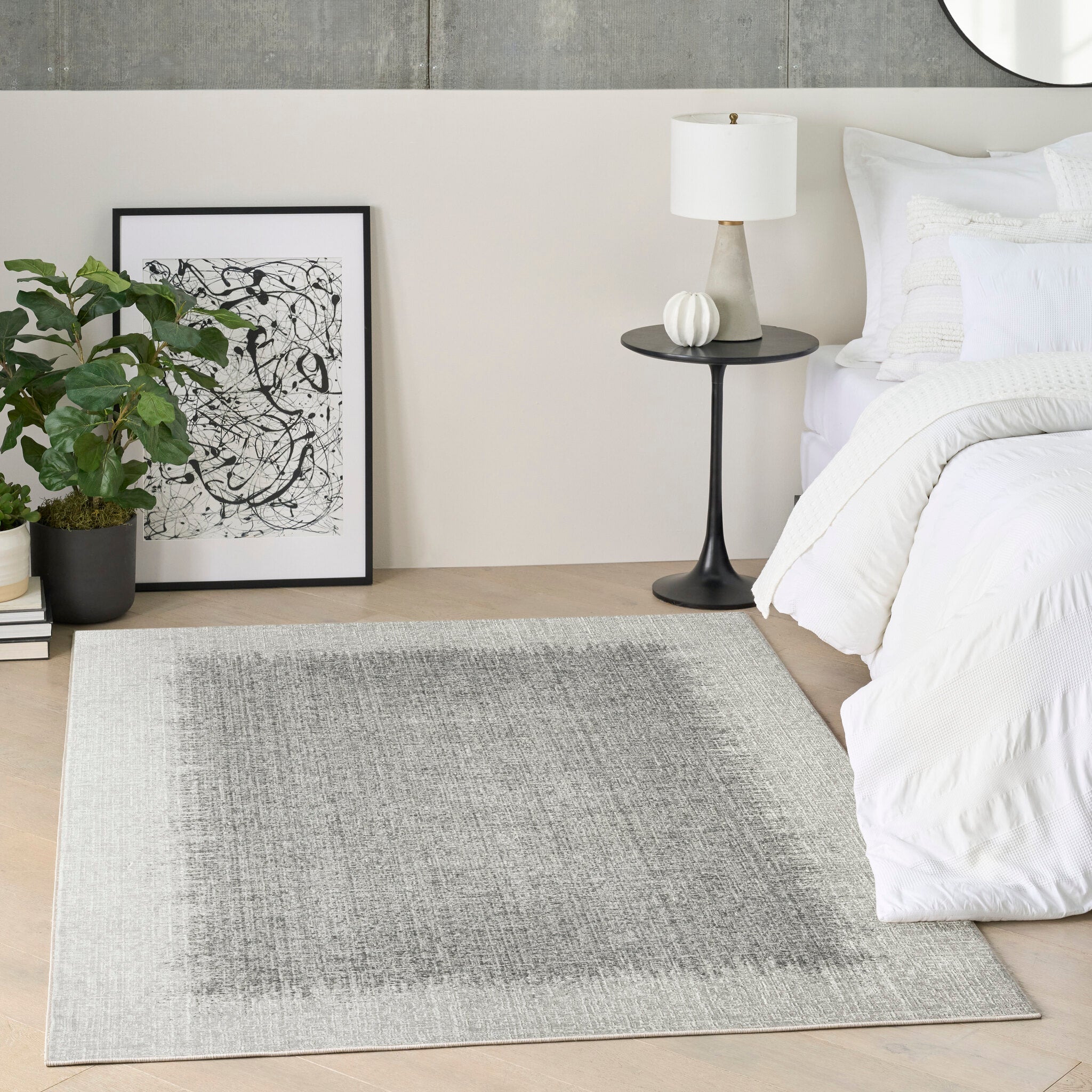
The base rug should be large, relatively neutral, and flat in texture. Natural fibre rugs — jute, sisal, seagrass — are popular base choices because their organic texture and neutral palette work with almost anything placed on top. A large flatweave or low-pile wool rug also works well. The base layer sets the size and anchors the furniture arrangement.
Add the Statement Layer
The top rug is where you introduce pattern, colour, or texture. It should be significantly smaller than the base — roughly two-thirds the size at most. This creates a clear visual hierarchy: the base frames the top, and the top is the focal point.
Vintage or Persian-style rugs work particularly well as top layers because their irregular character contrasts nicely with a clean, uniform base. A bold geometric or a kilim-style flatweave can also read beautifully in the right space.
Contrast Texture, Not Just Colour
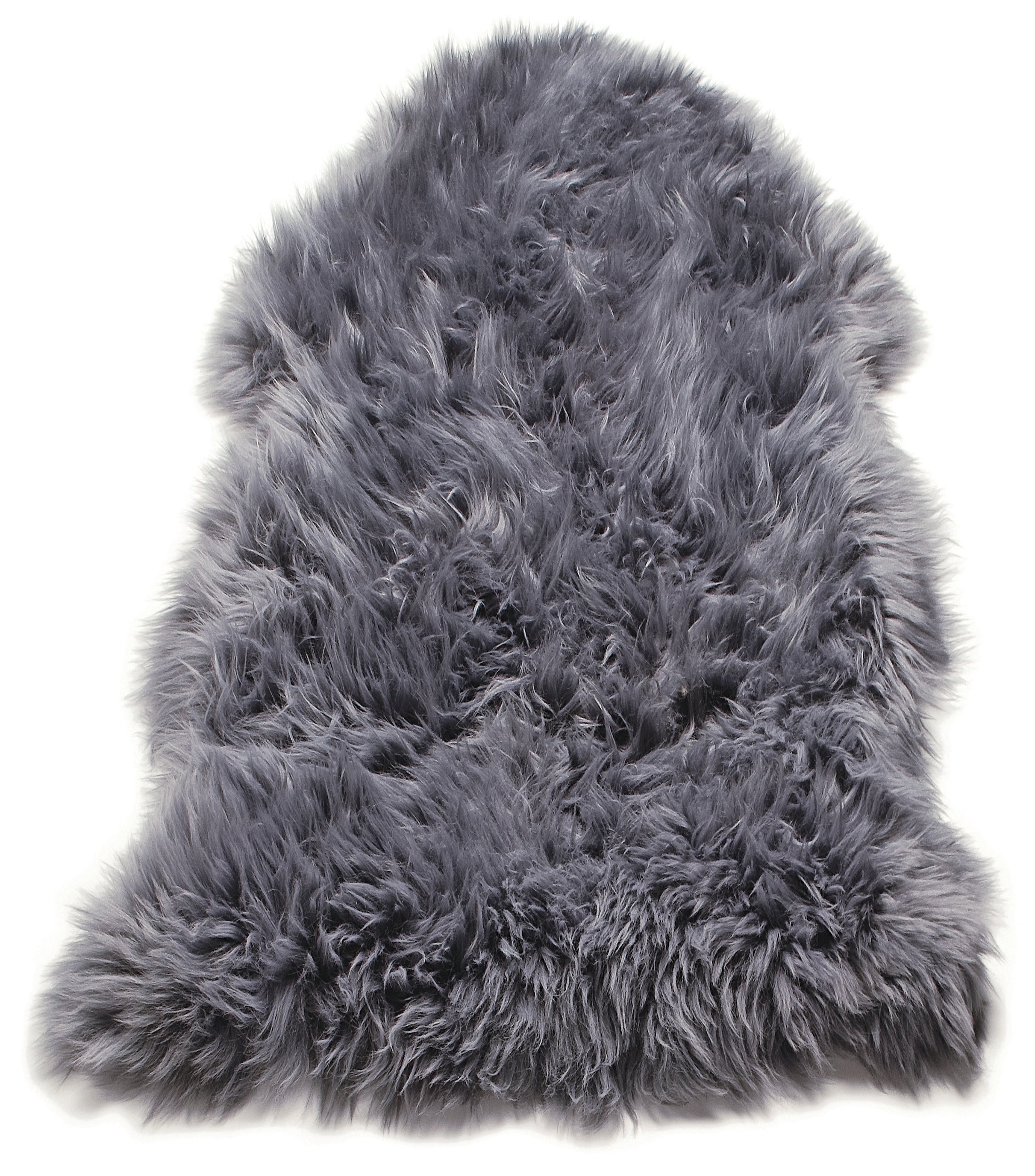
The most successful layered combinations contrast textures as well as patterns. A chunky jute base under a smooth flatweave top, or a low-pile neutral under a shaggy accent rug, creates visual and tactile interest that a single rug can’t achieve.
Placement Tips
- Place the top rug off-centre rather than perfectly aligned — a slight angle or asymmetric positioning feels more deliberate and less accidental
- The top rug doesn’t have to be rectangular. Round rugs over rectangular bases create an interesting contrast in form
- In a living room, the top rug can define the seating area while the base extends underneath the furniture
What to Avoid
- Two similarly sized rugs — the overlap looks accidental rather than intentional
- Two rugs with similarly busy patterns — they compete and create visual noise
- Layering thick-pile over thick-pile — furniture becomes unstable and the combined bulk looks awkward
Find your next base or statement rug in our collections at Kelaty — including flatweaves, naturals, and designer statement pieces.