How to Mix Patterns: Combining Rugs with Other Textiles in Your Home
Pattern mixing is one of those interior design skills that looks effortless when done well but can seem impossibly complex to approach from scratch. The fear of clashing keeps many people playing it safe with solid colours alone. But a few simple principles are all you need — and a layered, patterned interior is almost always more interesting than one that avoids it entirely.
Your rug is typically the largest patterned element in a room, making it the natural starting point for building a pattern-mixed scheme. Get the rug right, and everything else follows.
The Golden Rule: Vary the Scale
The single most important principle in pattern mixing is to vary the scale of your patterns. When patterns of a similar scale are placed side by side, they compete and the effect can feel chaotic. But when you combine a large-scale pattern with a medium-scale and a small-scale pattern, each one has room to breathe, and the combination feels deliberate and harmonious.
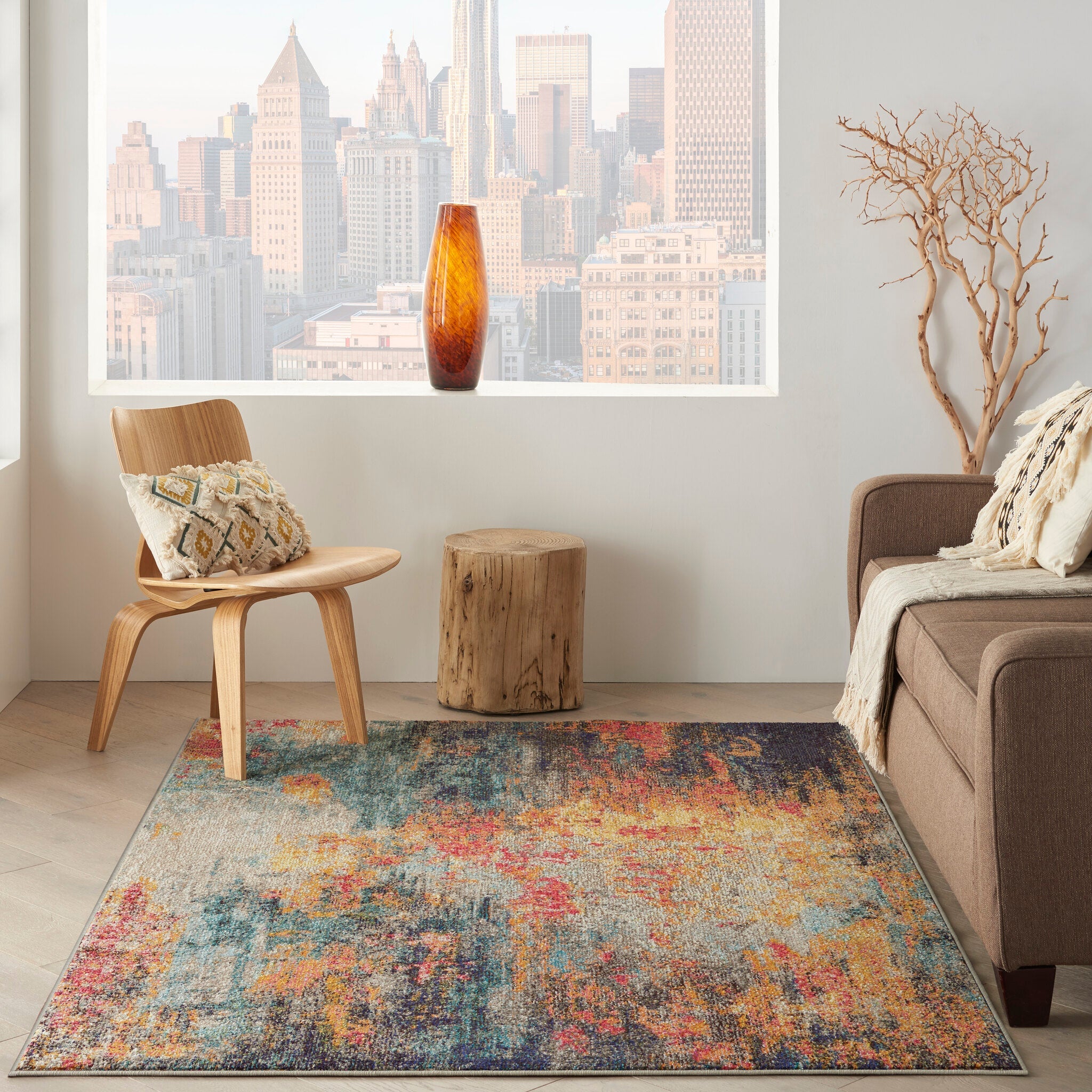
If your rug features a large-scale floral or medallion design, pair it with cushions in a small-scale geometric or a tight repeating print. If your rug has a bold geometric, a medium-scale stripe on curtains or a small floral on cushions will complement rather than compete.
Unify Through Colour
Patterns that look very different from each other can coexist happily if they share the same colour palette — even just one or two shared tones is enough. When choosing textiles to pair with your rug, pick out one or two of the rug’s key colours and echo them in your cushions, throws, curtains, or upholstery. You don’t need to match exactly — a shade lighter or darker will create a sophisticated, layered effect.
Pattern Types That Work Well Together
Geometric with organic — a rug with a structured geometric design paired with cushions in a flowing botanical or abstract print — creates a pleasing tension between order and freedom. Stripes work with almost anything: they’re the great neutrals of the pattern world, harmonising easily with florals, geometrics, and abstracts. A classic Persian or tribal rug in a modern, minimal interior creates a productive tension that makes both elements look better.
Texture as Pattern
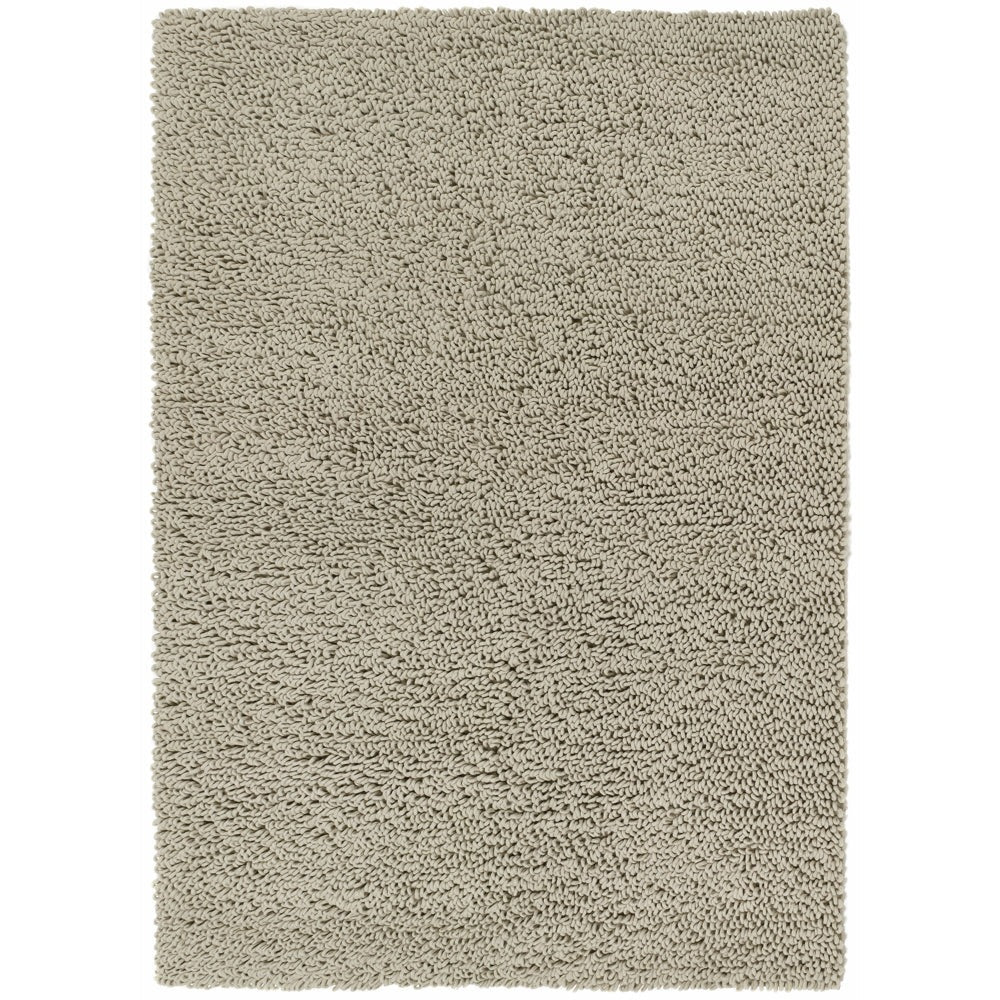
It’s worth remembering that texture can function as pattern. A heavily textured boucle cushion or a ribbed throw introduces visual and tactile interest without adding a printed motif. A high-pile shaggy rug paired with woven cushions, textured velvet upholstery, or a basket-weave throw creates a richly layered room without relying on printed patterns at all.
Building From Your Rug
First, identify the dominant pattern type in your rug (geometric, floral, abstract, traditional). Second, choose a secondary pattern in a different type at a different scale, pulling one or two colours from the rug. Third, add a third pattern — very subtle, such as a tonal weave or gentle stripe — to add depth without adding visual noise. If the scheme starts to feel too busy, swap one patterned element for a solid in one of the rug’s key tones.
Explore the Kelaty collection to find the rug that will become the foundation of your pattern-mixed interior.