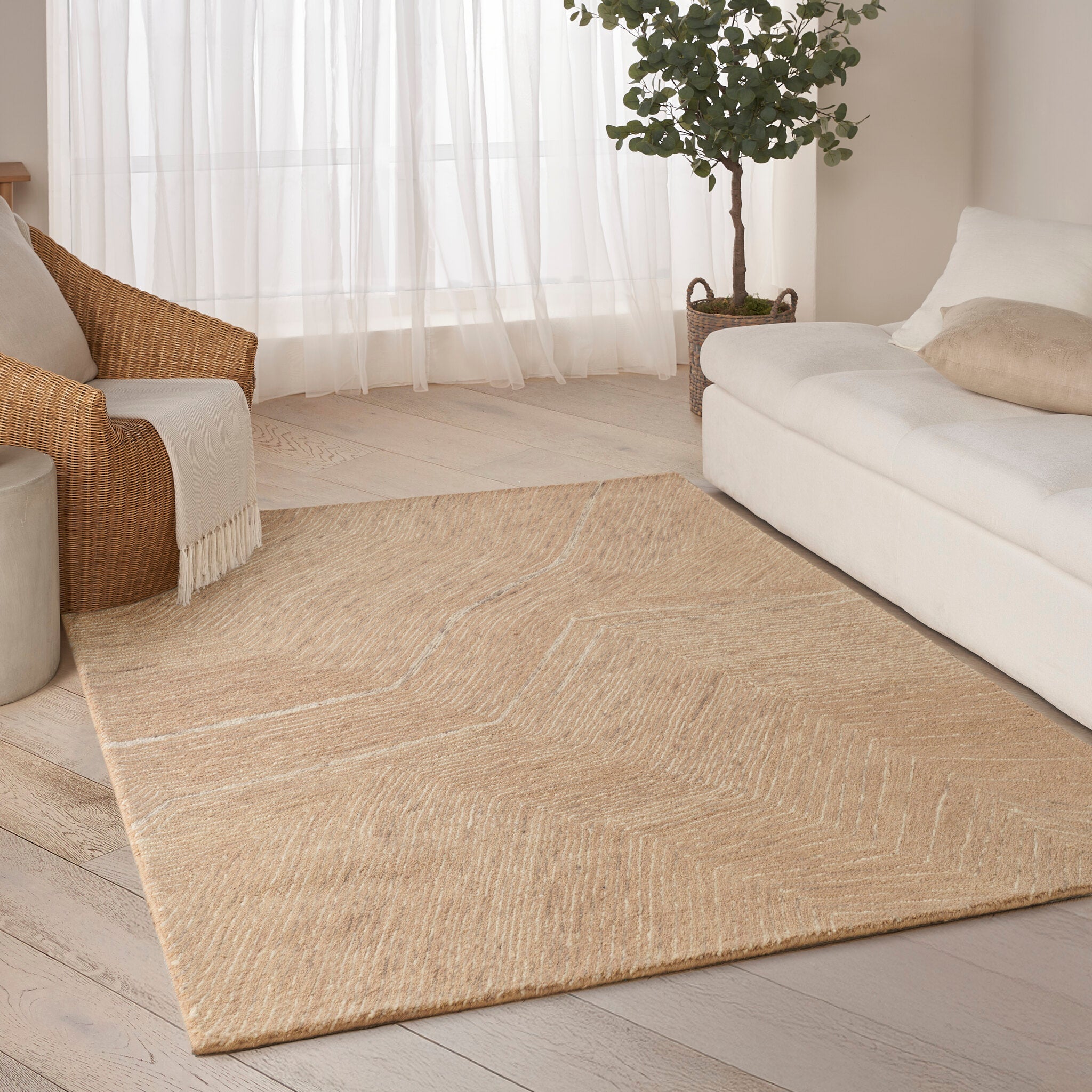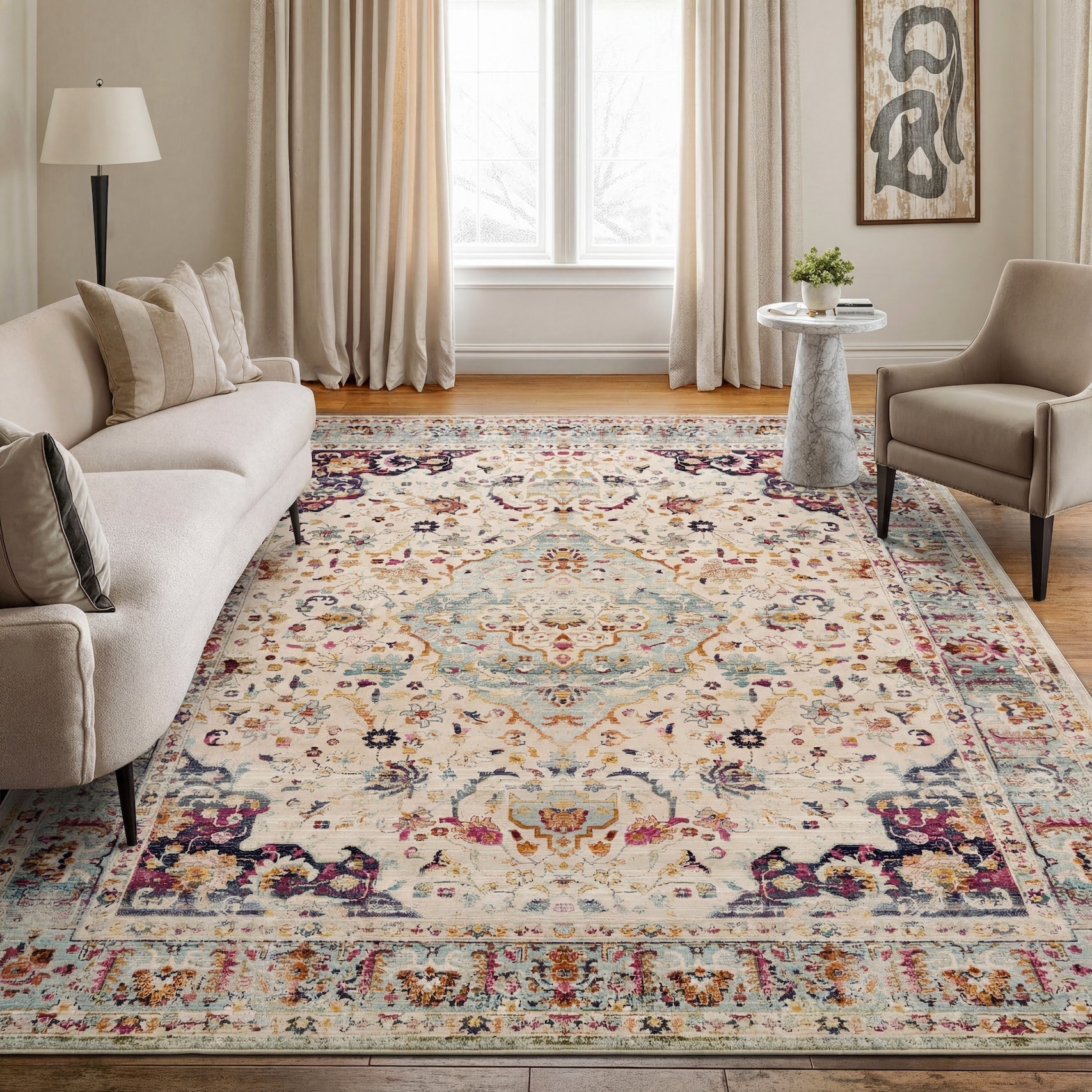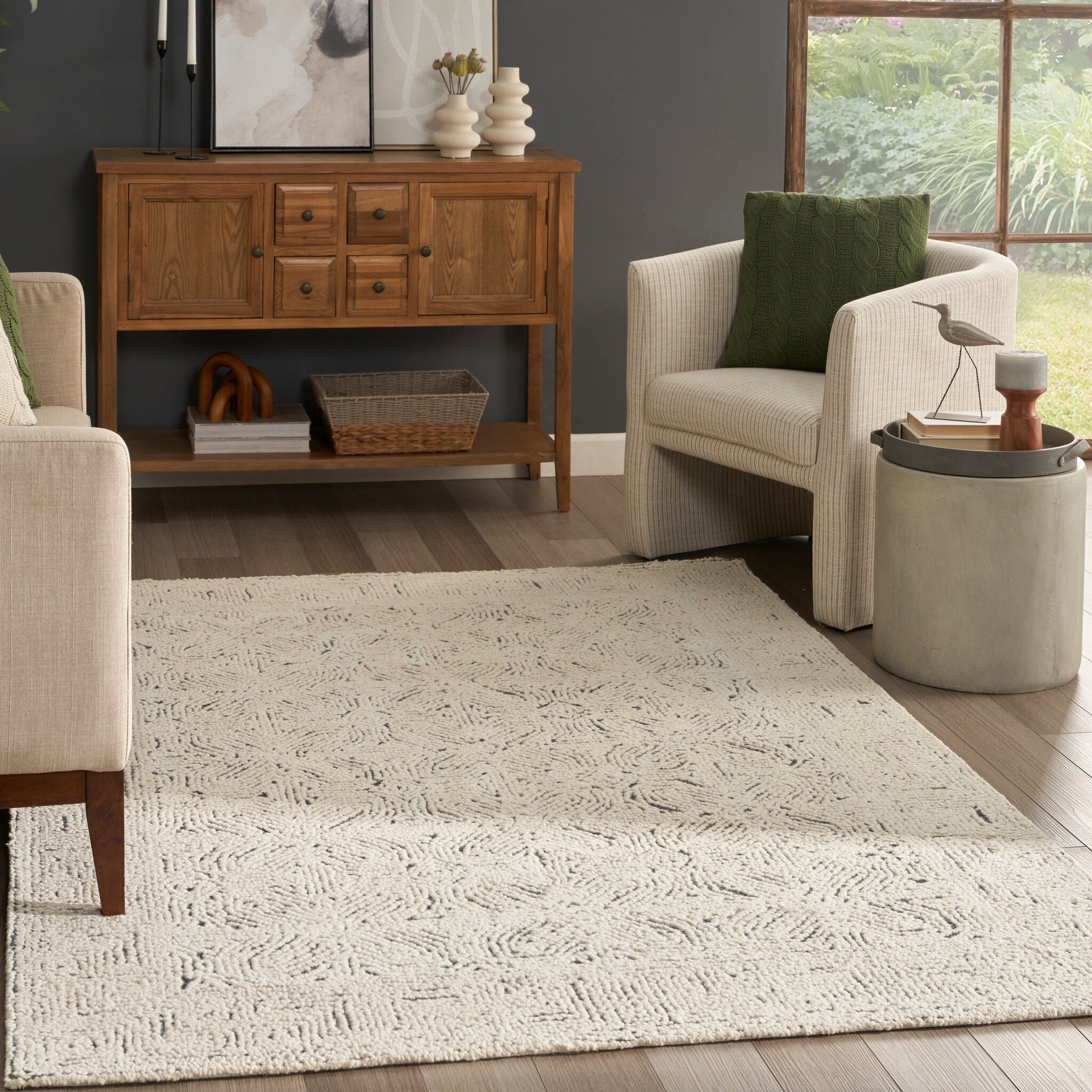
How to Use Rugs to Define Zones in a Studio Apartment
Studio apartments present a unique interior design challenge: how do you make a single open-plan space feel like a home with distinct areas for living, sleeping, and working — without the benefit of walls or doors? The answer, more often than not, lies underfoot. Rugs are one of the most effective tools available for creating defined zones in an open-plan space, and in a studio apartment they’re practically essential.
Understanding Zone Definition
Zone definition is the practice of visually separating different functional areas within a shared space. When you place a rug beneath a sofa and coffee table, you’re not just adding comfort — you’re saying: this is the living room. The rug defines the perimeter of that zone, and everything within it reads as belonging together. The same principle applies to a bedroom rug placed under or around the bed, or a small flat-woven rug beneath a dining table.
Choosing the Right Size for Each Zone
Size is critical when using rugs to define zones. A rug that’s too small will look lost and fail to create a convincing sense of enclosure; one that’s too large will overwhelm the space and blur the boundaries between zones.
For a living or seating zone, the rug should be large enough for the front legs of all major seating pieces to rest on it. In a studio, a 160 x 230cm or 200 x 290cm rug typically works well. For a sleeping zone, a rug placed under the lower two-thirds of the bed frames it beautifully. For a dining zone, the rug should be large enough that chairs remain on it even when pulled out — typically at least 45–60cm larger than the table on all sides.
Colour, Pattern and Visual Flow
In a studio apartment, it’s important to think about how the rugs in different zones relate to each other. Using rugs in completely different colour families or wildly contrasting patterns can make a small space feel busy and chaotic. Instead, consider working within a cohesive palette — perhaps two rugs in the same colour family but different textures, or a patterned rug in one zone and a solid complementary tone in another.
Using Rugs Alongside Other Zone-Defining Techniques
Rugs work best when used in combination with other zone-defining tools. Lighting plays a powerful role — a pendant light or floor lamp positioned over a seating area reinforces the sense that the rug and furniture below belong together. Bookcases, room dividers, or even the positioning of furniture at an angle can all contribute to the sense of distinct spaces.
Practical Considerations
In a studio apartment, practicality matters. Flat-woven rugs are generally easier to live with in smaller spaces — they’re thinner, lighter, and easier to clean. If you prefer a more plush feel underfoot, opt for a medium-pile rug rather than a very deep shag, which can visually dominate a compact space.
At Kelaty, we offer a wide range of rug sizes and styles perfectly suited to studio apartment living. Browse our collection at Kelaty to find the pieces that will help you make the most of every square metre.