Sustainable Rugs: How to Choose Eco-Friendly Floor Coverings
As consumers become increasingly conscious of the environmental impact of their purchasing decisions, the rug industry has responded with a growing range of sustainable options. From natural fibres to ethical production methods, choosing an eco-friendly rug is now more straightforward than ever — and the results are just as beautiful as conventional alternatives.
Natural Fibre Rugs: The Sustainable Foundation
The most straightforward path to an eco-friendly rug is to choose one made from natural fibres. Unlike synthetic materials such as polypropylene or nylon — which are derived from petrochemicals and can take hundreds of years to decompose — natural fibres are renewable, biodegradable, and often produced with a much lower carbon footprint.
Wool is arguably the most sustainable choice for a premium rug. Sheep are shorn annually, making wool a genuinely renewable resource. High-quality wool is naturally soil-resistant, flame-retardant, and incredibly durable — a well-maintained wool rug can last 50 years or more.
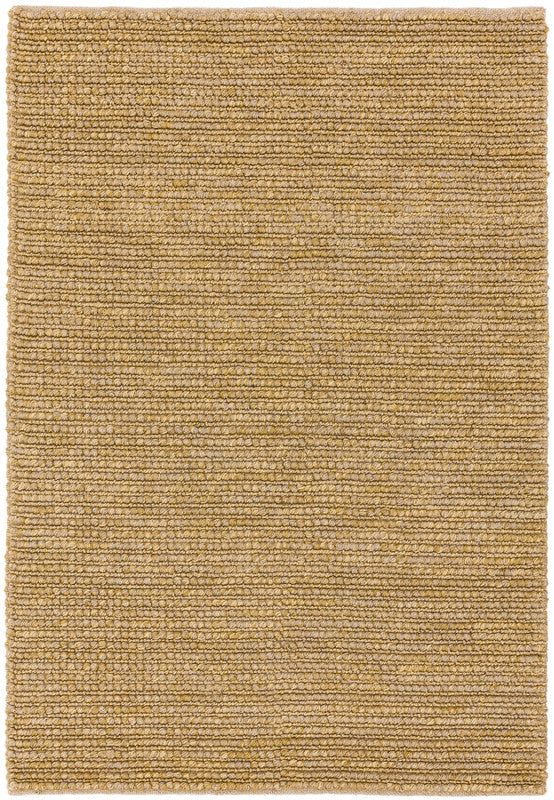
Jute is a fast-growing plant that requires minimal water and no pesticides to cultivate. Jute rugs have a warm, earthy texture that works beautifully in natural, bohemian, or Scandi-inspired interiors. They’re best suited to low-traffic areas, as they can be susceptible to moisture.
Sisal, harvested from the agave plant, is one of the toughest natural fibres available. Sisal rugs are highly durable and work well in hallways and living rooms. Seagrass is grown in flooded paddy fields in Asia and harvested without the use of fertilisers or pesticides — its smooth, slightly waxy texture gives it a natural stain resistance that makes it practical as well as sustainable.
The Case for Hand-Knotted Rugs
A hand-knotted rug is, by its very nature, one of the more sustainable products you can buy. Made entirely by skilled artisans using traditional techniques, the production process requires no electricity and generates almost no industrial waste. The materials are typically natural — wool, silk, or cotton — and the craft itself supports traditional communities and preserves ancient skills.
The longevity of a hand-knotted rug also makes it a fundamentally more sustainable choice. While a machine-made synthetic rug might need replacing every five to ten years, a quality hand-knotted piece can last generations. Less production, less waste.
What to Look for When Buying a Sustainable Rug
When evaluating the sustainability credentials of a rug, consider: the fibre content (natural is generally preferable to synthetic), the production method (hand-knotted or hand-tufted artisan production over machine manufacture), the dyes used (natural or low-impact dyes are better for the environment), and the country of origin (buying from regions with strong ethical trading standards protects workers as well as the planet).
Certifications to look for include OEKO-TEX® Standard 100, which certifies that a textile has been tested for harmful substances, and the Good Weave label, which verifies that a rug has been made without child labour.
Caring for Your Rug Sustainably
Regular vacuuming keeps dirt from embedding in the fibres and reduces the need for deep cleaning. When spot-cleaning is required, a small amount of cold water and a mild, natural detergent is usually all that’s needed. Avoid harsh chemicals, which can damage both the rug and the environment. Professional cleaning every one to three years will help maintain your rug’s condition and extend its lifespan — reducing the likelihood of premature replacement.
At Kelaty, we’re proud to offer a collection that includes a wide range of natural fibre and hand-crafted rugs. Explore our range at Kelaty to find a piece that’s as kind to the planet as it is beautiful in your home.