Rugs for Period Properties: Georgian, Victorian and Edwardian Homes
Much of Britain's housing stock was built long before any of us were born. Georgian townhouses, Victorian terraces and Edwardian semis each have a distinct character, and a rug is one of the easiest ways to honour it, or to set up a deliberate, intelligent contrast. After more than six decades supplying rugs to British homes, here is our guide.
Georgian homes: proportion and restraint
Georgian architecture is about balance. Rooms are well proportioned, windows are tall and evenly spaced, and ornament is controlled. Rugs here work best when they respect that symmetry:
- Choose designs with a clear centre and a defined border, placed squarely in the room.
- Soft, sophisticated palettes suit the light-filled rooms: faded blues, stone, muted golds and gentle greens.
- Go generous on size. Large Georgian reception rooms can swallow a small rug.
Victorian homes: pattern and richness
The Victorians loved colour, pattern and layering. Deep reds, forest greens, inky blues and intricate designs all feel at home. Many Victorian houses also have long, narrow hallways, often with original encaustic tiles, where a runner protects the floor and softens the echo. Our guide to choosing a hallway runner covers sizing in detail.
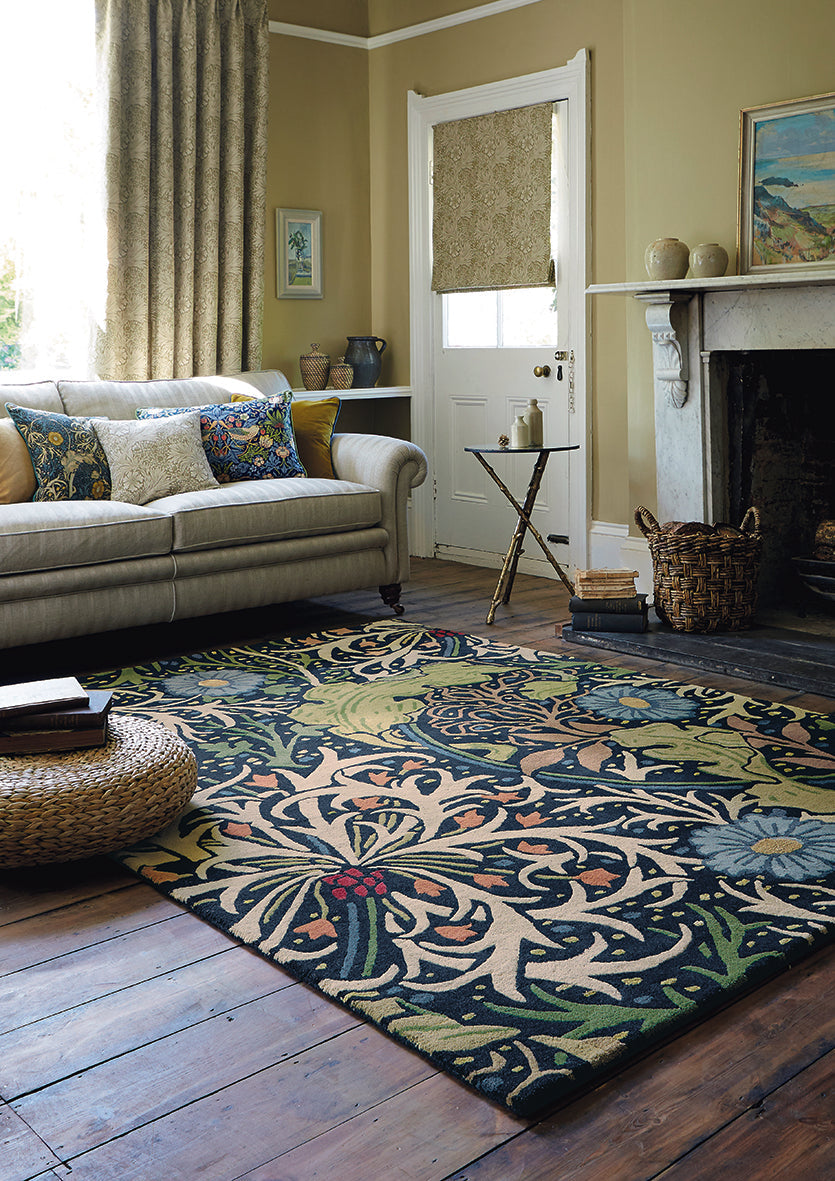
Victorian homes are also where the Arts and Crafts movement flourished, which makes nature-inspired designs such as Morris & Co Seaweed a particularly natural fit.
Edwardian homes: lighter and airier
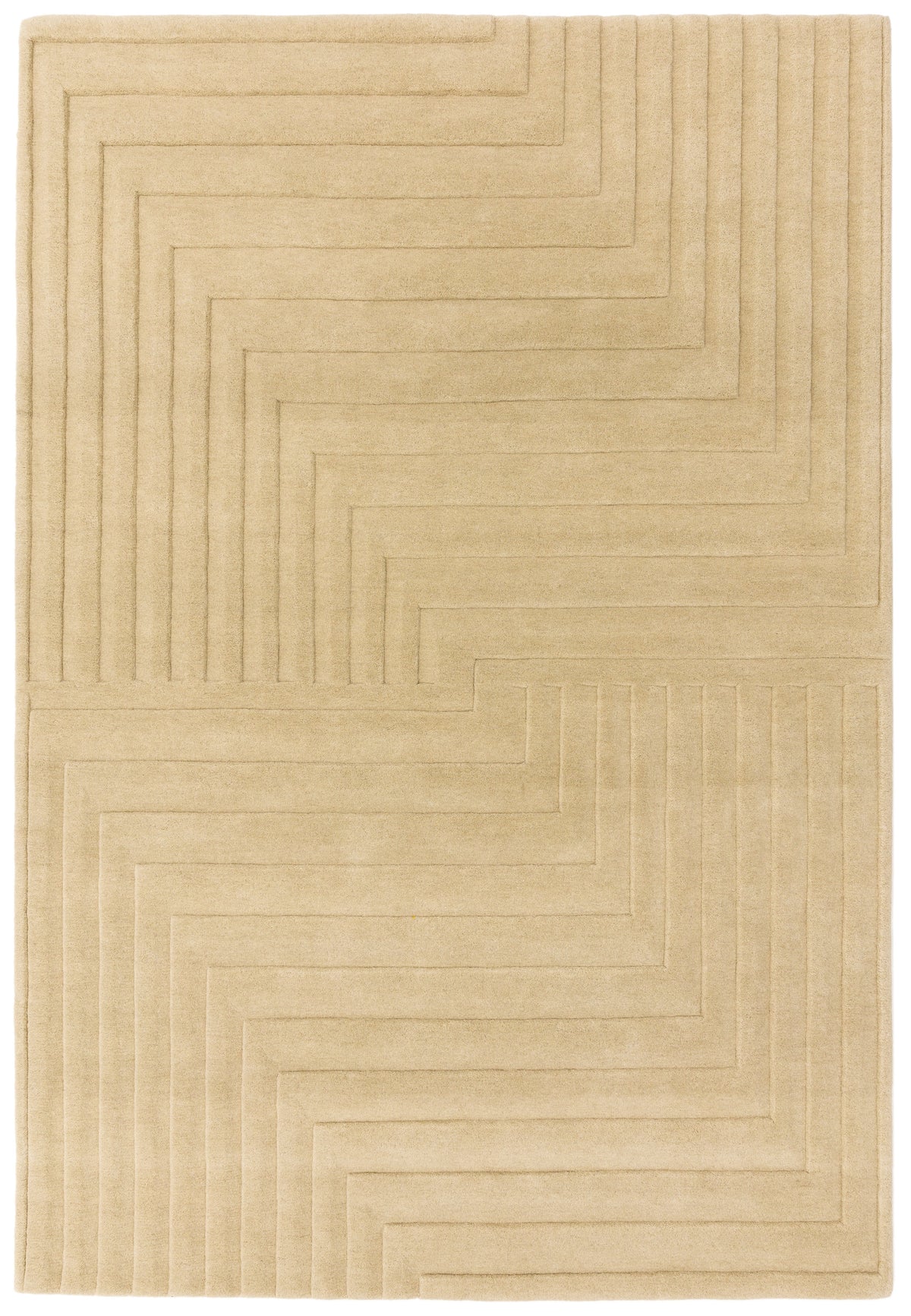
Edwardian houses tend to have wider halls, larger windows and a lighter decorative mood than their Victorian predecessors. Paler grounds, softer florals and more open patterns sit beautifully here, as do plain wool rugs in warm, chalky tones.
The practicalities of old floors
- Uneven boards: original floors are rarely perfectly level. A good underlay helps a rug lie flat and stops it creeping.
- Draughts: gaps between old floorboards let cold air through. A dense wool rug with underlay makes a real difference to warmth.
- Protecting original features: a rug shields precious parquet or old pine from grit and wear, but lift it occasionally to clean beneath.
Modern rugs in period rooms
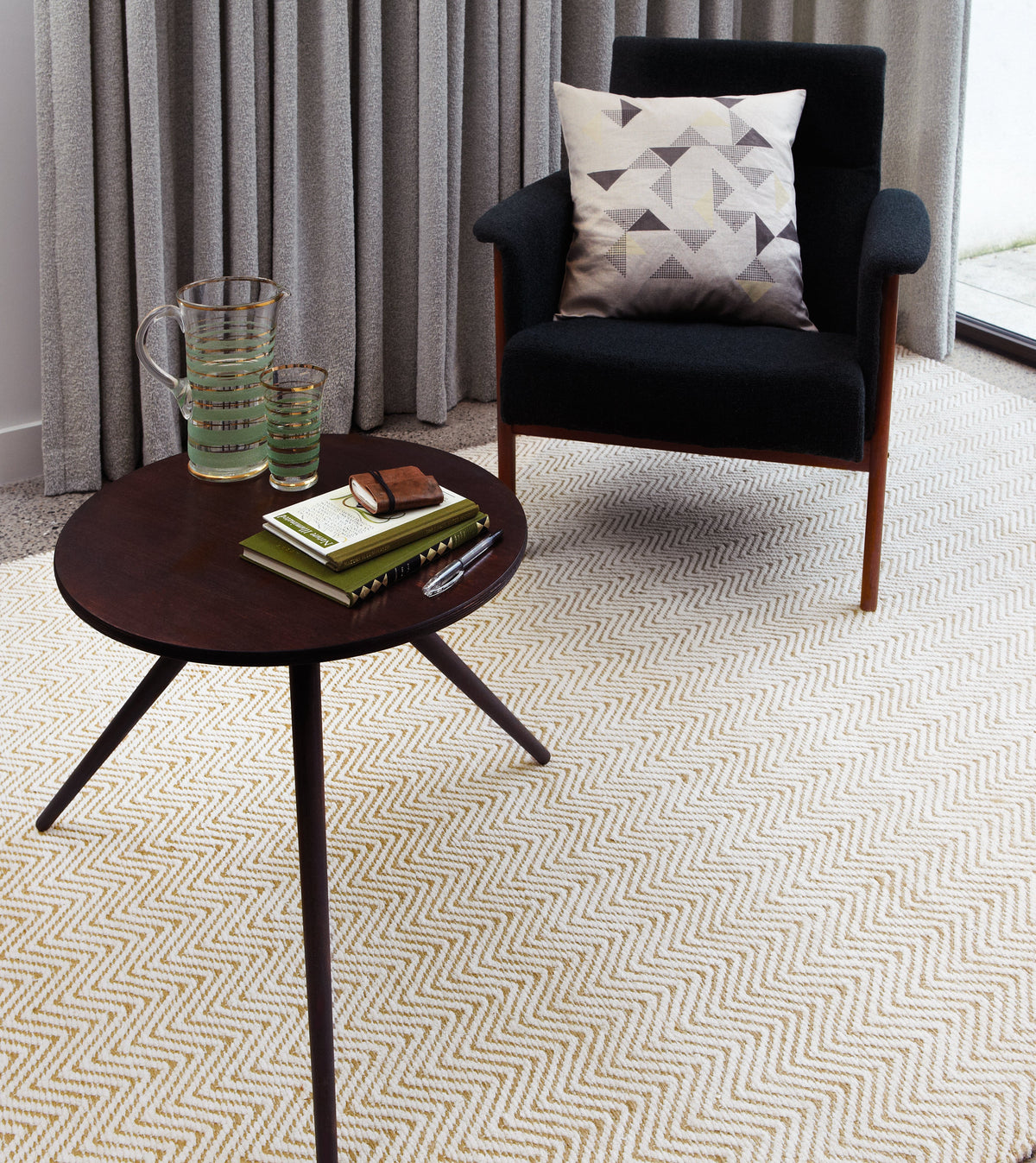
You need not be literal. A contemporary rug in a period room can look wonderful, provided it respects the scale of the space. The trick is to let one element lead: if the architecture is ornate, a quieter rug lets it breathe; if the room has been pared back, a richer rug restores warmth and history. We explore the reverse in traditional rugs in contemporary interiors.
A decorator's note
In period rooms, look at the fireplace. It is usually the focal point, and a rug aligned with it, centred and parallel to the hearth, instantly makes the room feel ordered and intentional.