Specifying Rugs for Hospitality and Commercial Projects
For interior designers, a commercial or hospitality project brings a different set of questions. A rug in a boutique hotel lobby, a restaurant, a members' club or a show home must look beautiful on day one and still look beautiful after thousands of footsteps. Here is how we approach specification with the designers we work with.
1. Understand the traffic
Start by mapping how people will move through the space. A hotel bedroom sees gentle, barefoot use; a reception area sees luggage, heels and constant arrivals. Match the construction to the demand:
- Heavy traffic: dense wool or high-performance synthetics with a tight, low pile.
- Medium traffic: hand-tufted or woven wool with a mid-height pile.
- Light traffic: bedrooms and suites, where softer and more luxurious pieces can shine.
Our guide to rugs for high-traffic areas goes into more detail.
2. Check compliance early
Commercial spaces often carry fire safety and other regulatory requirements that do not apply to homes. These vary by building type and use, so confirm what the project requires with the relevant consultant or building control at the outset, and request the necessary documentation for any rug you specify. Wool is naturally more flame-resistant than many fibres, which is one reason it has long been favoured in hospitality.
3. Think about cleaning and maintenance
Ask who will clean the rugs, how often and with what equipment. A rug that needs specialist care may not survive a busy housekeeping regime. Patterned, mid-tone designs are far more forgiving of daily spills and wear than pale plains.
4. Consider safety
Trip hazards matter even more in public spaces. Specify quality underlay on hard floors, avoid thin rugs that can ruck, and consider the edges where rugs meet walkways.
5. Design with the brand
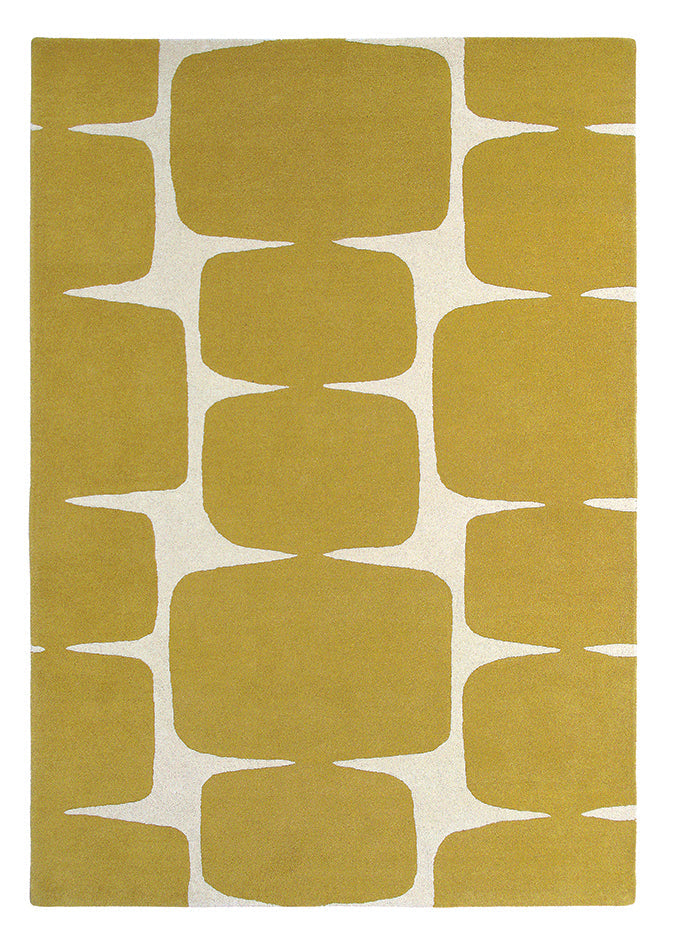
In hospitality, the rug is part of the guest's story. Designer collections from names such as Scion, Harlequin, Sanderson and Morris & Co offer recognisable, characterful patterns that can reinforce a brand identity. Something like Scion Lohko brings a confident mid-century geometry that suits restaurants and bars particularly well.
6. Plan quantities and lead times
Multi-room projects need consistency across dozens of rooms. Confirm stock depth before committing, allow for replacements, and build supplier lead times into the programme from the start, particularly for larger sizes and bespoke requirements.
Working with Kelaty
With more than sixty years in the rug trade, we are used to helping designers source the right pieces for demanding projects. If you are specifying for a commercial or hospitality scheme, email us with your brief and we will be happy to help.
A decorator's note
Always request a physical sample before specifying at scale. What looks perfect on screen can read quite differently under a project's lighting, beside its finishes and on its floor.