Wool vs Viscose vs Polypropylene: Which Rug Material Is Right for You?
Walk into any rug showroom and you’ll encounter dozens of materials: wool, viscose, polypropylene, cotton, silk, jute, and more. Each has distinct characteristics that make it more or less suited to different rooms and lifestyles. Here’s a practical guide to the three you’ll encounter most often.
Wool
Wool is the gold standard for rugs, and has been for thousands of years. It’s naturally resilient, soft underfoot, and contains lanolin — a natural oil that repels dirt and moisture. Wool fibres bounce back after compression, which means a wool rug in a busy living room will hold its pile far longer than synthetic alternatives.
Best for: Living rooms, bedrooms, dining rooms — anywhere you want warmth, durability, and a premium feel.
Consider: Wool costs more than synthetic options and requires more careful cleaning. It’s not ideal in very wet areas like bathrooms.
Viscose (Bamboo Silk)
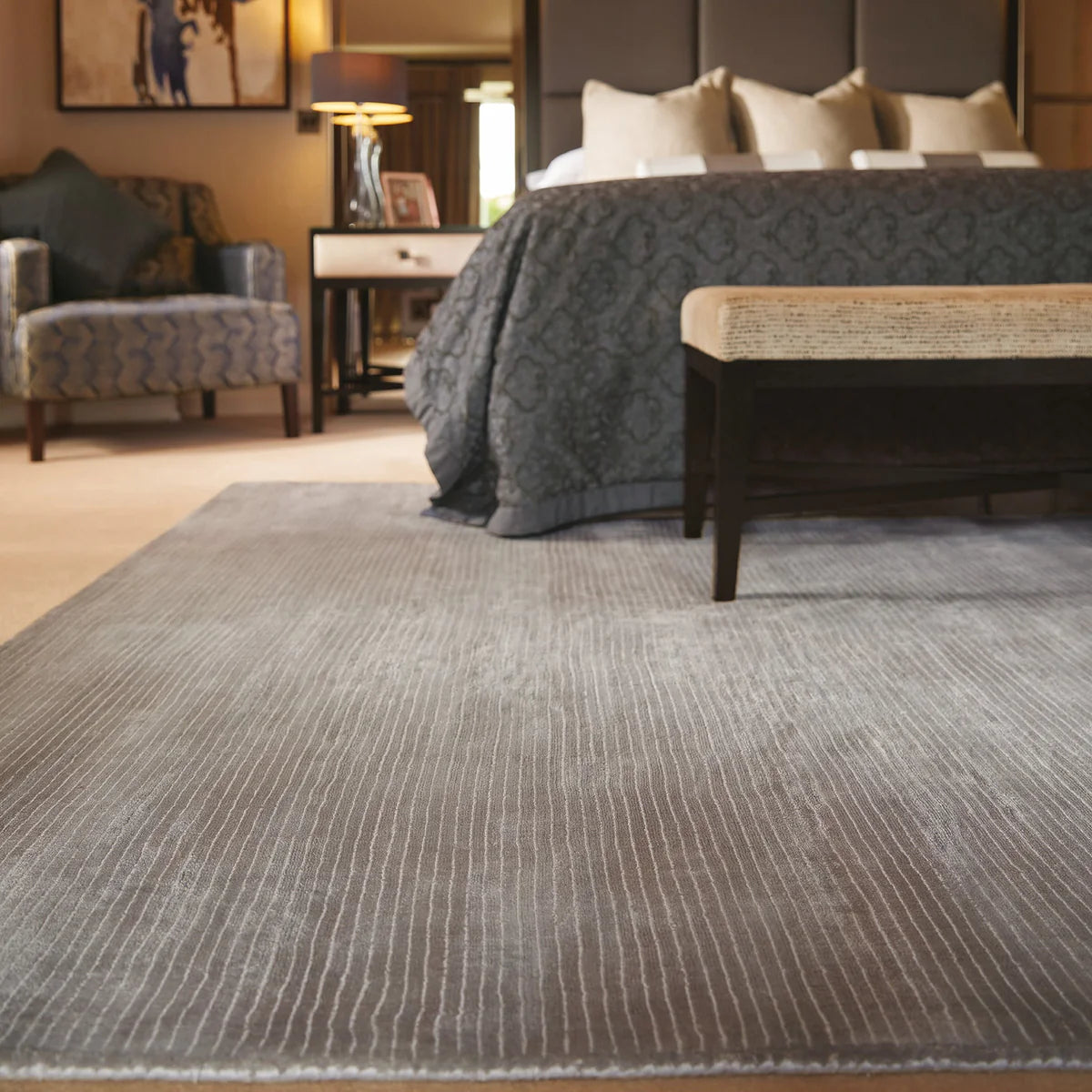
Viscose — sometimes labelled as bamboo silk or art silk — is a semi-synthetic fibre made from plant cellulose. It has a beautiful lustre and a silky feel that gives it the visual appeal of natural silk at a much lower price point. Viscose rugs often have a shimmering, light-catching quality that changes as you walk around them.
Best for: Bedrooms, formal sitting rooms, lower-traffic areas where you want a luxurious look.
Consider: Viscose is less durable than wool and significantly less forgiving of moisture — spills need to be treated immediately. It’s not well-suited to hallways or rooms with heavy foot traffic.
Polypropylene
Polypropylene is a synthetic fibre engineered for practicality. It’s stain-resistant, fade-resistant, easy to clean, and can be produced in a huge range of textures and patterns — many of which convincingly mimic the look of natural fibres. Modern polypropylene rugs are significantly better-looking than they were a decade ago.
Best for: Hallways, kitchens, family rooms, children’s rooms, and outdoor spaces. Anywhere life happens at full volume.
Consider: Polypropylene doesn’t have the warmth or feel of natural fibres, and it’s less breathable. It’s a practical choice, not necessarily a luxurious one.
Quick Comparison
- Durability: Wool > Polypropylene > Viscose
- Softness: Viscose > Wool > Polypropylene
- Stain resistance: Polypropylene > Wool > Viscose
- Value: Polypropylene > Viscose > Wool
Browse our collections by material at Kelaty — we carry a wide range of wool, viscose, and polypropylene rugs across all sizes and styles.