Article: Brown Is Back: How to Style Chocolate, Tobacco and Caramel Rugs
Brown Is Back: How to Style Chocolate, Tobacco and Caramel Rugs
For more than a decade, grey was the default neutral in British homes. It was safe, it was cool, and it went with everything. But tastes have warmed, and brown has quietly taken its place: chocolate, tobacco, caramel, mink and walnut are now among the most requested tones in interiors. It is a colour with depth and comfort, and on the floor it can be quite beautiful.
Why brown works so well underfoot
Brown is the colour of timber, leather, earth and wool in its natural state. It connects a room to the materials already in it, and it is forgiving in daily life, hiding the dust and footfall that paler rugs show. It also sits comfortably with both period and contemporary architecture, which is rare for a colour with this much presence.
We recently gave brown its own place in our navigation, and you can see the full range in our brown rugs collection.
Choose your brown carefully
Not all browns behave in the same way.
- Chocolate and espresso are deep and grounding. They suit larger rooms, generous light and pale walls, where they anchor the furniture.
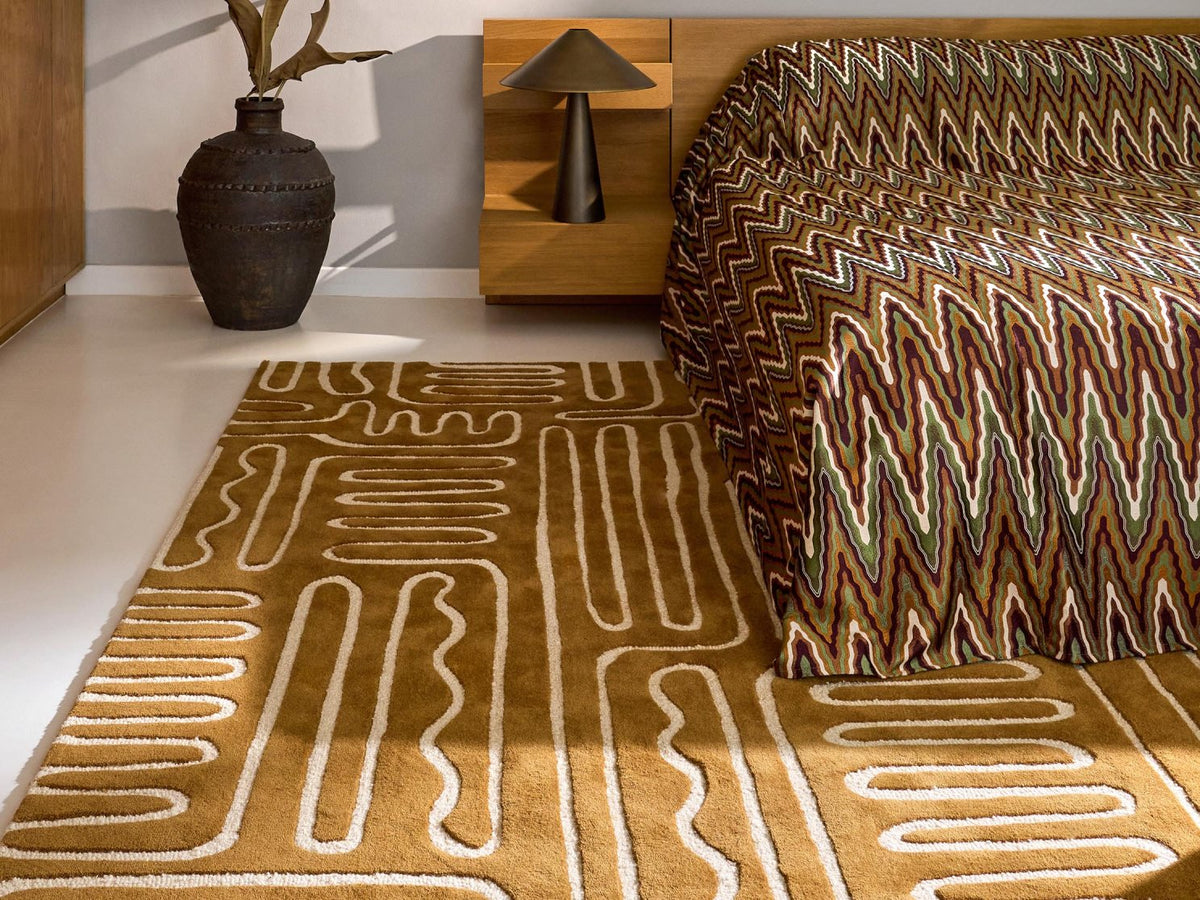
- Tobacco and tan have a golden, slightly red warmth that glows in lamplight. They are lovely with green, ochre and natural linen.
- Caramel and camel are lighter and softer, sitting between beige and brown. They are a good first step if you are moving away from grey.
- Mink and taupe are cool browns with a grey undertone. They bridge old and new schemes and suit north-facing rooms.
Light makes a real difference to how each of these reads. Our guide to how light changes a rug's colour explains why the same rug can look warm in one room and muddy in another.
How to stop brown feeling heavy
Add texture. A flat brown can look dull; a brown rug with a mix of pile heights, a subtle pattern or a tonal abstract design has movement and interest.
Keep contrast nearby. Cream walls, white-painted woodwork or a pale sofa let a brown rug read as deliberate rather than dark.
Introduce a second warm accent. Rust, terracotta, olive, deep green and mustard all sit naturally with brown. Our terracotta and rust and mustard and gold collections are good places to find companion pieces for smaller spaces.
Use metal and glass. Brass, bronze and smoked glass lift a brown scheme and give it polish.
Brown with other neutrals
Brown and cream are a classic pairing, and the combination feels richer than an all-beige scheme. If you are working with an existing beige or cream rug, adding brown through cushions, a leather chair or timber furniture will give it more depth. We explore this idea further in Beyond Beige.
Rooms where brown shines
- Snugs and libraries, where you want a cocooning, enveloping feel.
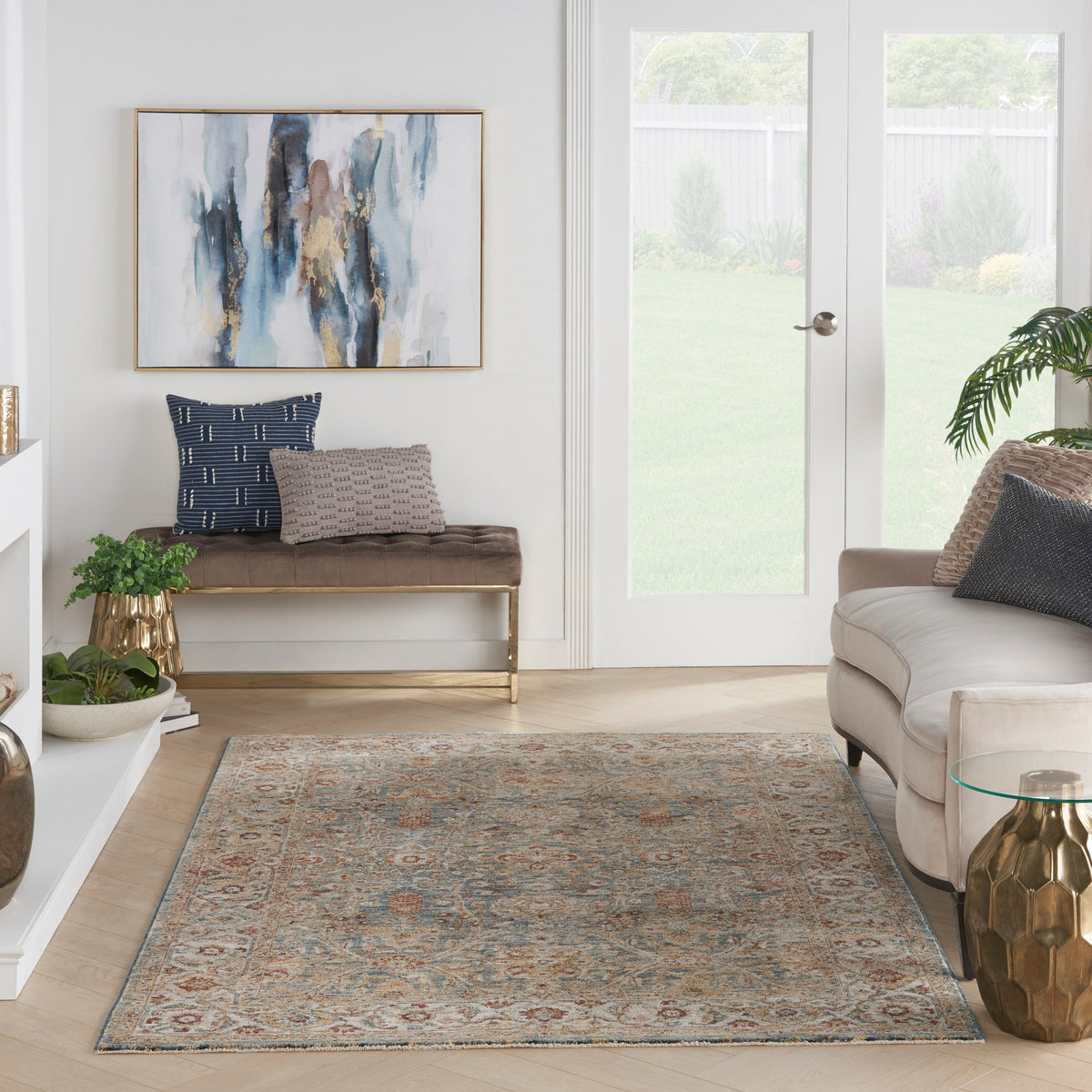
- Living rooms with timber floors, where a brown rug a few shades different from the boards adds warmth without clashing.
- Hallways and family rooms, where practicality matters as much as looks.
- Bedrooms, paired with linen bedding for a calm, hotel-like finish.
A decorator's note
Brown is at its best as the colder months arrive, which is why it features so strongly in our autumn interiors guide. If you are unsure which shade suits your room, send us a photograph and we will happily suggest a few options.